Как выбрать подходящий дорожный каток для разных типов грунта
Aug 31, 2026
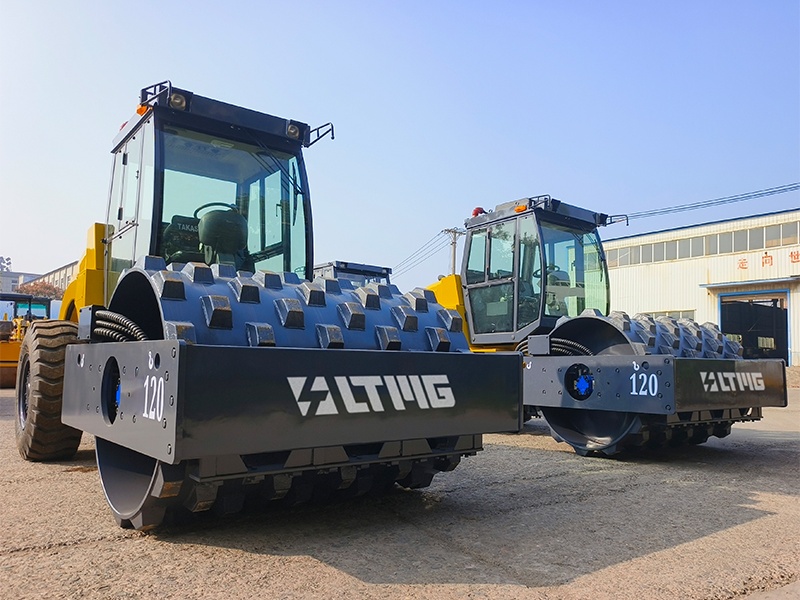
Выбор дорожный каток Речь идёт не просто о выборе машины с наибольшей рабочей массой. Даже если два катка имеют схожую рабочую массу, их эффективность уплотнения может значительно различаться, если тип барабана, параметры вибрации, рабочая скорость или механизм уплотнения не соответствуют условиям грунта на строительной площадке.Для подрядчиков дорожного строительства и инженерных компаний главный вопрос предельно ясен: Какой тип катка позволяет достичь требуемого уплотнения за меньшее количество проходов, с меньшим расходом топлива и более высокой эффективностью работы?Ответ начинается с типа почвы.Песок, гравий, глина, ил и смешанные насыпные материалы по-разному реагируют на уплотнение. Зернистые грунты, как правило, лучше подходят для вибрационного уплотнения, в то время как связные грунты часто требуют разминания или уплотнения. Влажность, толщина слоя, амплитуда, частота вибрации и скорость движения катка также могут существенно влиять на конечный результат уплотнения.В этой статье объясняется, как выбрать подходящий дорожный каток для разных типов грунта. Почему тип почвы важен при выборе дорожного катка Основная цель уплотнения грунта — уменьшение воздушных пустот в почве, что позволяет частицам перегруппироваться в более плотную и стабильную структуру. Надлежащее уплотнение может:·Увеличить несущую способность фундамента.·Снизить риск будущих расчетов.·Улучшение устойчивости земляных и базовых слоев.·Обеспечивает более надежное основание для дорожных покрытий, насыпей и других сооружений. Однако для разных типов грунта требуются разные методы уплотнения.С точки зрения уплотнения, распространенные грунты, как правило, можно разделить на две категории:·Зернистые грунты, например, песок, гравий и щебень различной фракции. Эти материалы обладают относительно низкой когезией между частицами и поэтому отлично подходят для вибрационного уплотнения.·Связные грунты, например, глина и пластичный ил. Эти почвы содержат большое количество мелких частиц со значительной когезией и, как правило, лучше уплотняются под давлением в сочетании с разминающим действием. Это один из самых основных и важных принципов при выборе дорожного катка. Однобарабанный вибрационный каток с гладкой поверхностью, отлично зарекомендовавший себя на гравийном основании, может стать гораздо менее эффективным при использовании на влажных пластичных глинистых грунтах. Аналогично, каток с копытами или овечьими копытами, специально разработанный для связных грунтов, обычно не требуется для чистых песчаных и гравийных оснований. Какой тип валика следует использовать для работы с глиной? Глинистые почвы — один из наиболее трудноуплотняемых типов грунта, поскольку их способность к уплотнению в значительной степени зависит от содержания влаги.Когда влажность глины близка к оптимальной, обычно можно добиться хорошего уплотнения. Если почва слишком сухая, может потребоваться полив, перемешивание и увлажнение. Если почва слишком влажная, повторное укатывание может не привести к значительному увеличению плотности, а вместо этого вызвать:·Деформация·Пружинящий или подпрыгивающий·откачка грязи·Гонка Для сильно пластичной глины обычно предпочтительнее использовать вальцы с копытным или овечьим копытным механизмом.Выступающие опоры создают высокое контактное давление, одновременно оказывая разминающее действие на почву. Это делает их более эффективными, чем использование только поверхностного давления гладкого барабана.Однобарабанный гладкий вальцовый каток может быть полезен, например, для окончательной герметизации или отделки поверхности после завершения основных работ по уплотнению.Некоторые однобарабанные катки с гладким барабаном также могут быть оснащены комплектами опорных ножек. Однако, перед покупкой следует уточнить у производителя оборудования, поддерживает ли конкретная модель такую конфигурацию. Поэтому, если ваш проект в основном связан с глиной, выбор правильного типа барабана важнее, чем просто покупка более тяжелого валка. Какой тип катка следует использовать для удаления ила? Выбор катка для уборки ила требует особой тщательности, поскольку инженерные свойства различных видов ила могут значительно различаться.Если материал представляет собой пластичный ил, его поведение может быть ближе к поведению глины, что делает использование катка с лапками более подходящим.Если это песчаный ил или непластичный ил, его поведение может быть ближе к поведению зернистой почвы, в этом случае может быть целесообразно использовать вибрационный каток с гладким барабаном.Содержание влаги имеет особое значение.Если во время укатывания грунт заметно смещается или колышется под барабаном, или если происходит «прокачивание», простое увеличение вибрации, как правило, не решает проблему. Вместо этого может потребоваться следующее:·Срежьте и обнажите материал.·Дайте ему высохнуть·Разрыхлите или аэрируйте почву.·Смешайте его с другими материалами.·Отрегулируйте содержание влаги. Уплотнение можно продолжить после улучшения состояния материала. Для смешанных суглинистых грунтов обычно рекомендуется построить пробный участок, чтобы определить, может ли вибрационный каток с гладким барабаном достичь требуемой плотности за разумное количество проходов. Какой тип катка следует использовать для песка? Песок – одно из наиболее типичных применений однобарабанового вибрационного катка.Поскольку песок представляет собой зернистый материал с относительно низкой когезией между частицами, вибрация помогает частицам перестраиваться, образуя более плотную структуру.По сравнению с одним лишь статическим давлением, динамическая сила уплотнения, создаваемая вибрацией, как правило, может воздействовать на более глубокие слои грунта. Для средних и крупных проектов дорожного строительства и земляных работ особенно подходит однобарабанный вибрационный каток грузоподъемностью 12–14 тонн:·Песчаные основания·Песчаная засыпка·Дорожные насыпи·Строительство фундамента·Масштабные земляные работы·Строительство аэропортов и промышленных площадок Вибрационную систему следует регулировать в зависимости от толщины слоя грунта и его грунтовых условий.Более высокая амплитуда обычно приводит к более сильному и глубокому уплотнению и, следовательно, может быть более эффективной на начальном этапе уплотнения более толстых рыхлых слоев.По мере увеличения плотности материала или при уплотнении более тонких слоев может быть более целесообразной меньшая амплитуда.Необходимо также учитывать частоту вибрации. Частота определяет, сколько вибрационных воздействий барабан оказывает на грунт за определенный период времени. Следовательно, эффективность уплотнения определяется не одним параметром, а сочетанием следующих факторов: Амплитуда + Частота + Скорость передвижения Какой тип катка следует использовать для гравия и щебня? Гравий, щебень и щебень различной фракции также отлично подходят для вибрационных катков с гладким барабаном.Эти материалы обычно используются для:·базовые курсы для дорог·Основания дорожных покрытий·Обочины автомагистралей·Промышленные объекты·Проекты аэропортов·железнодорожные проекты·Крупные фундаментные проекты Тяжелый вибрационный барабан помогает перегруппировать крупные частицы и уменьшить пустоты в уплотненном слое. Если рыхлый слой достаточно толстый, на начальном этапе уплотнения можно использовать более высокую энергию вибрации.По мере увеличения жесткости материала и его плотности амплитуда может уменьшаться. Когда дальнейшее высокоэнергетическое уплотнение перестает давать заметное улучшение плотности, оператор может переключиться на низкоамплитудное или даже статическое уплотнение для завершающих проходов.Важно понимать, что постоянное увеличение количества проходов не обязательно приводит к дальнейшему увеличению уплотнения. После достижения эффективного уровня уплотнения материала дополнительные проходы приведут, главным образом, к увеличению расхода топлива, времени работы техники и эксплуатационных расходов, а также к снижению общей эффективности работы на строительной площадке. Как следует уплотнять смешанные грунты? Для смешанных грунтов простых правил выбора оборудования может быть уже недостаточно. К числу распространенных примеров, встречающихся на строительных площадках, относятся:·Песчано-глинистый·Гравий, содержащий мелкие частицы·Смешанные насыпные грунты Фактические характеристики уплотнения этих материалов зависят от нескольких факторов, в том числе:·Процент штрафов·Содержание глины·Индекс пластичности·Градация частиц·Содержание влаги·Распределение частиц по размерам Например, материал, состоящий преимущественно из гравия с небольшим количеством непластичных частиц, может быть вполне пригоден для вибрационного катка с гладким барабаном. Однако, если гравий содержит значительное количество пластичной глины, может потребоваться уплотнение методом «подушечного уплотнения».По этой причине выбор оборудования не должен основываться исключительно на внешнем виде материала. По возможности подрядчикам следует обращаться к следующим источникам:·Классификация почв USCS·Классификация почв AASHTO·Результаты градуировочного теста·Индекс пластичности Для проектов, где материальные условия значительно различаются, перед началом полномасштабного уплотнения следует сначала построить пробный участок, чтобы определить окончательную схему укатывания. Можно ли уплотнять органическую почву непосредственно дорожным катком? Почвы с высоким содержанием органических веществ представляют собой совершенно иную проблему.Эти материалы обычно обладают следующими характеристиками:·Высокая сжимаемость·Высокая чувствительность к содержанию влаги·Высокий риск долгосрочного проживания.·Низкая несущая способность конструкции В результате сам материал может оказаться непригодным для использования в качестве дорожной засыпки или в качестве материала для несущего фундамента.Использование более тяжелого катка не гарантирует автоматического превращения некачественной органической почвы в приемлемый строительный насыпной грунт. В зависимости от требований к геотехническому проектированию, возможные решения могут включать в себя:·Земляные работы и замена·Стабилизация грунта·Смешивание с подходящими материалами·Улучшение грунта·Изменение конструкции дорожного покрытия или основания. Прежде чем прилагать дополнительные усилия для уплотнения, подрядчики должны сначала определить, пригоден ли сам материал для использования в строительных конструкциях. Заключение Выбор подходящего дорожного катка начинается с понимания характера уплотняемого материала, а не просто со сравнения эксплуатационных весов машин.·Для песка, гравия, щебня и большинства зернистых дорожно-строительных материалов обычно эффективно использовать однобарабанный вибрационный каток с гладким барабаном.·Для глинистых и высокопластичных связных грунтов более эффективным уплотнением обычно может служить каток с копытным или овечьим типом подошвы.·Для илистых и смешанных почв выбор оборудования должен основываться на классификации почвы, содержании влаги и результатах полевых испытаний.·Для подрядчиков, основная деятельность которых включает в себя укладку дорожного основания, гранулированного заполнителя, песка, гравия и щебня, однобарабанный вибрационный каток LTMG грузоподъемностью 12–14 тонн может обеспечить диапазон рабочих весов и параметров вибрации, подходящий для земляных работ средней и большой сложности. При запросе коммерческого предложения мы рекомендуем предоставить следующую информацию:·Тип почвы·Толщина уплотненного слоя·Целевой уровень уплотнения·Тип проекта·Требуемая суточная производственная мощность Обладая этой информацией, компания LTMG может порекомендовать конфигурацию дорожного катка, которая лучше соответствует реальным условиям вашей строительной площадки, вместо того чтобы выбирать оборудование, основываясь только на эксплуатационной массе машины.