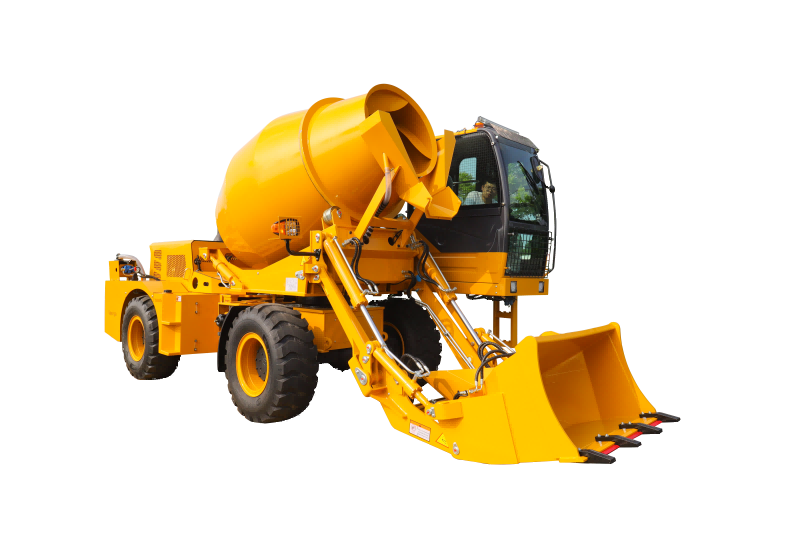
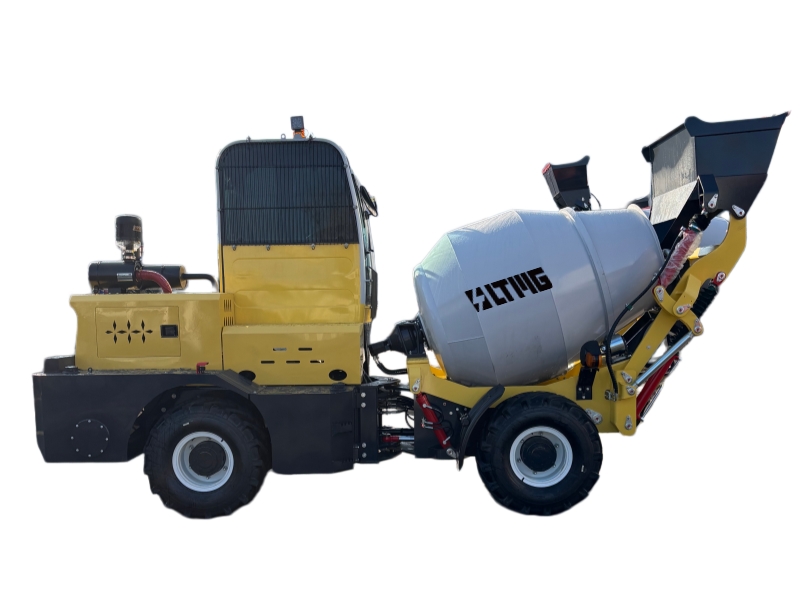
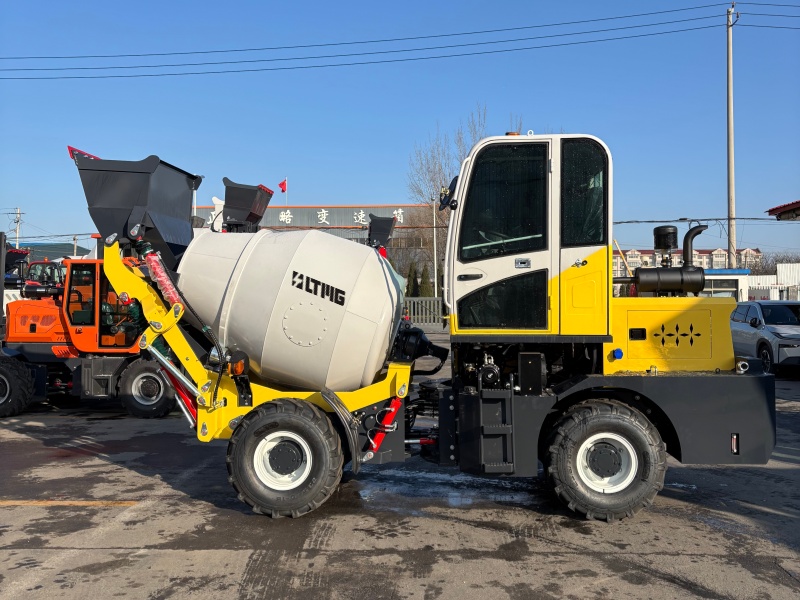
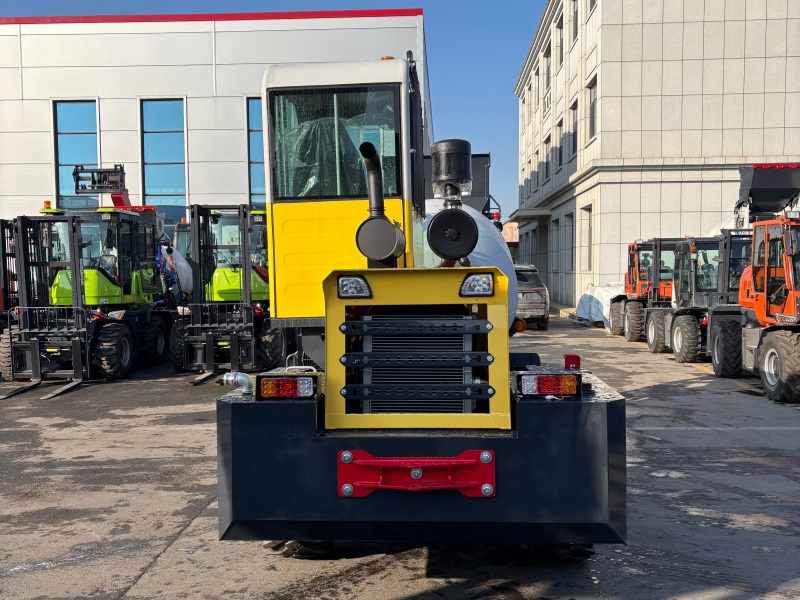
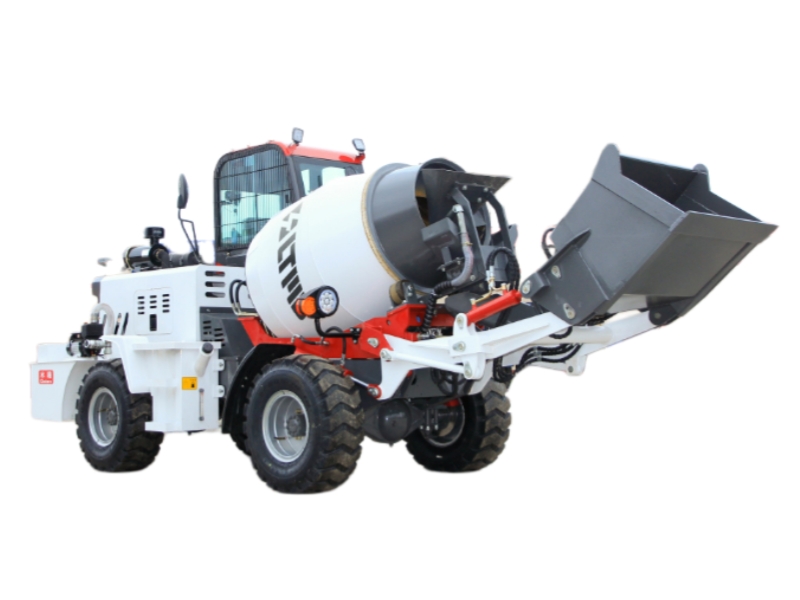
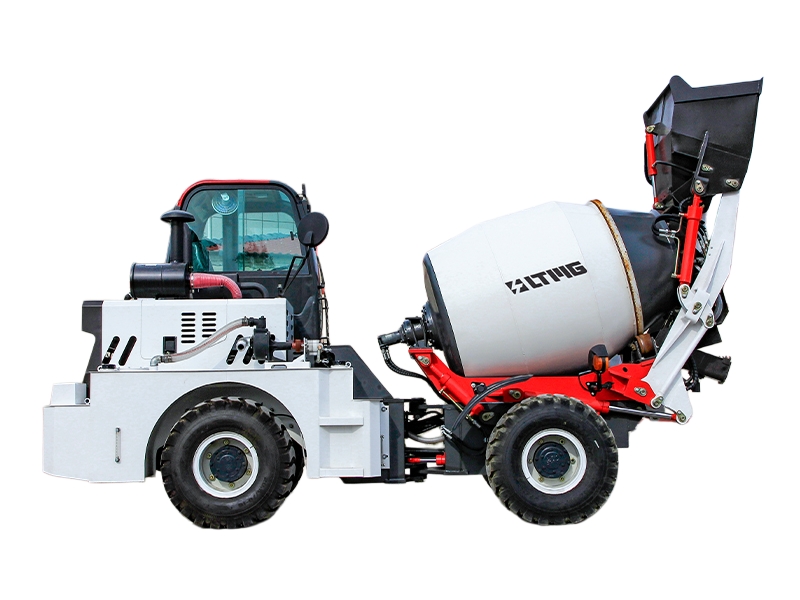
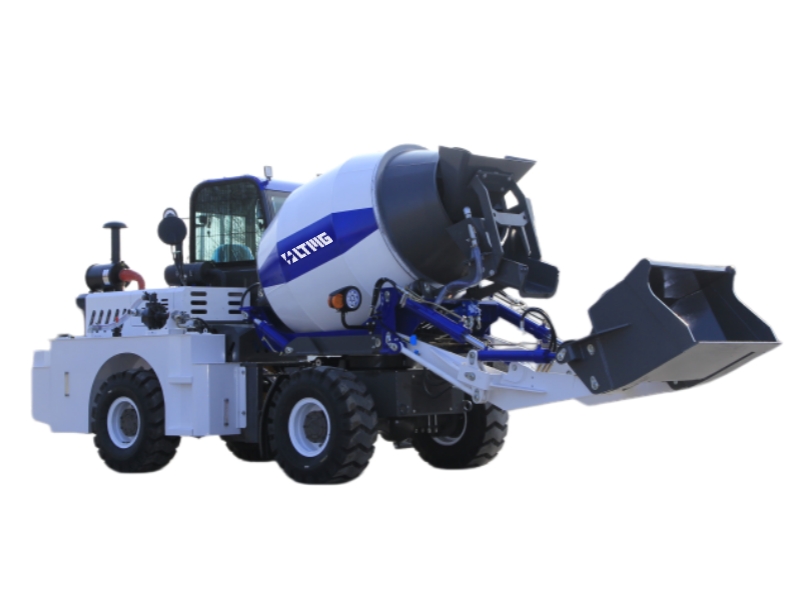
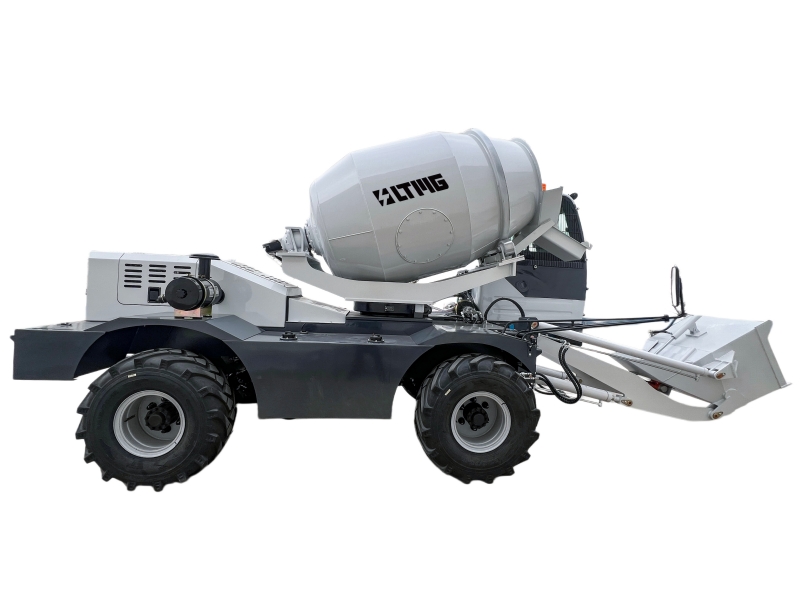
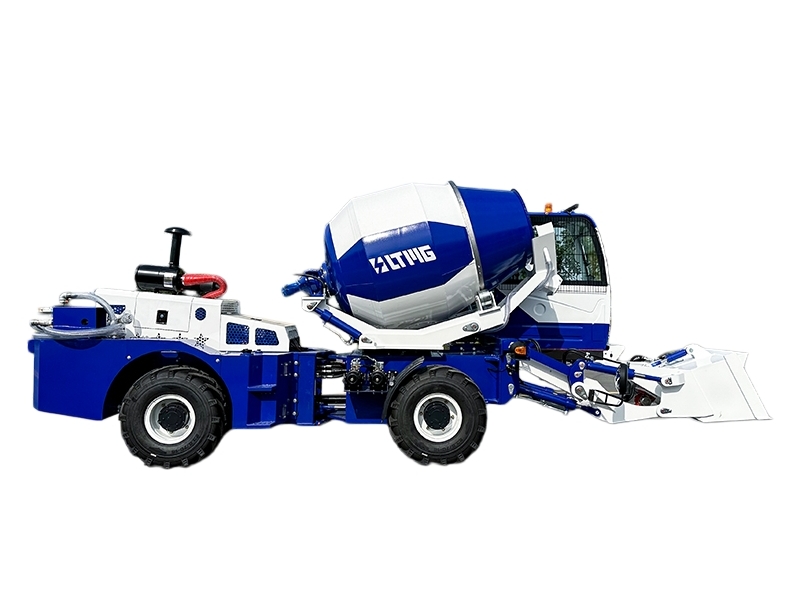
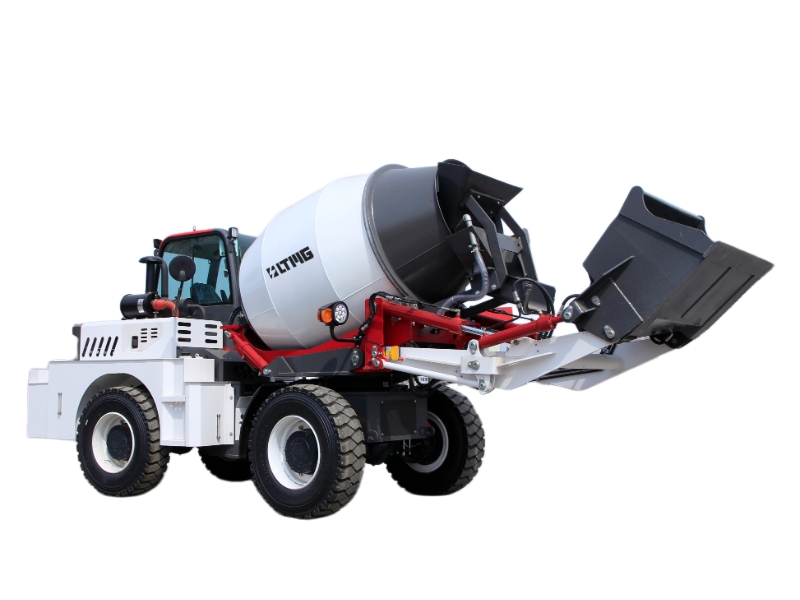
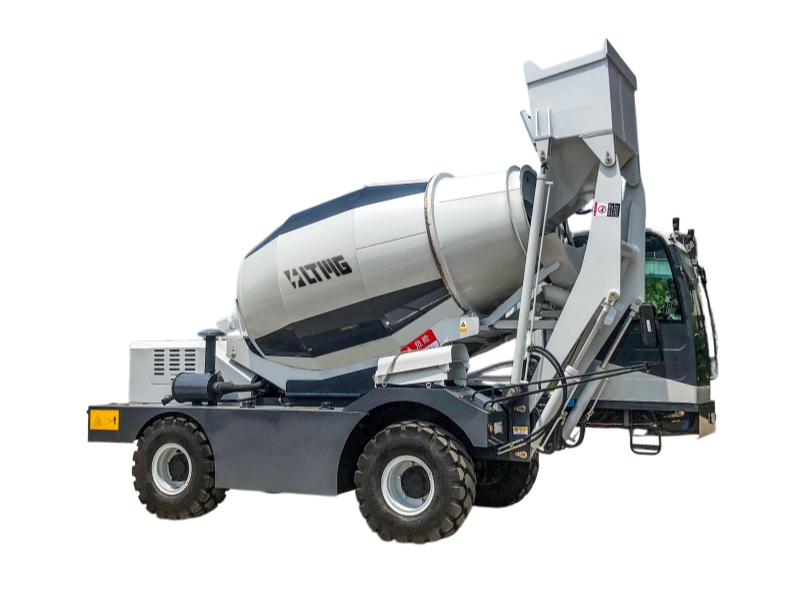
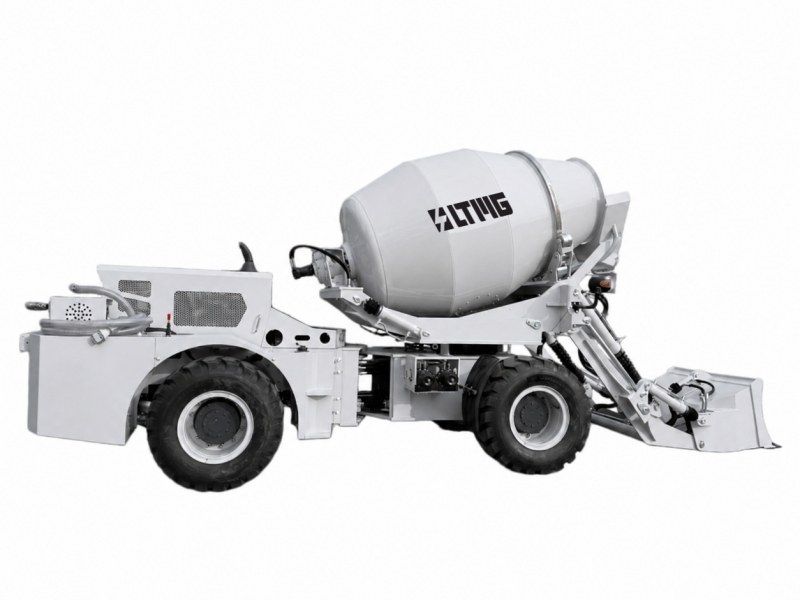
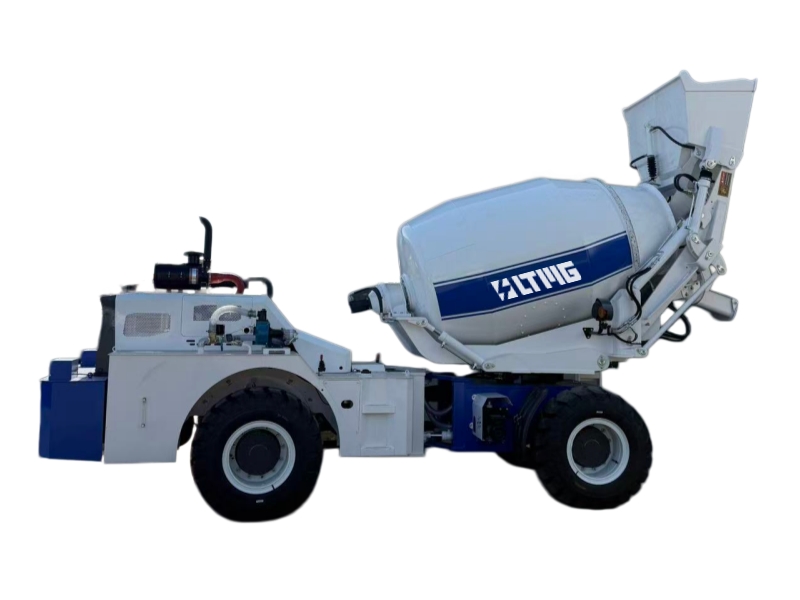
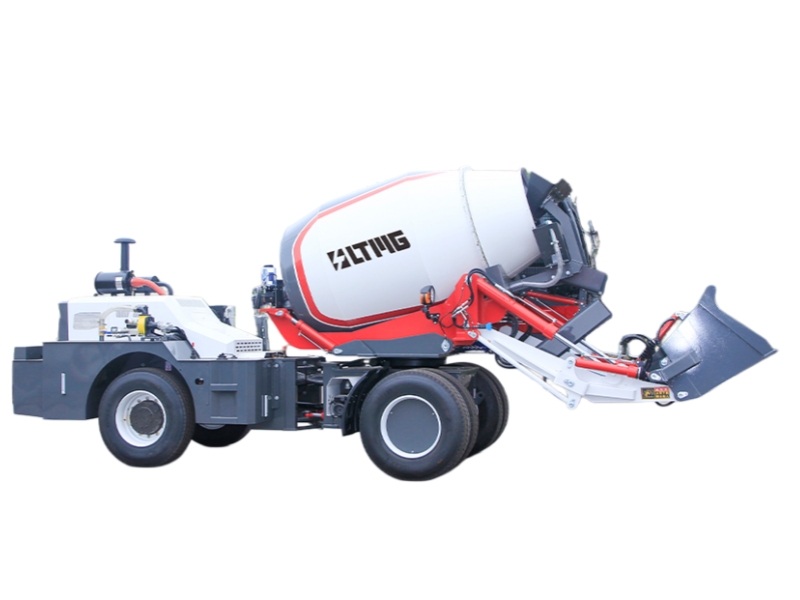
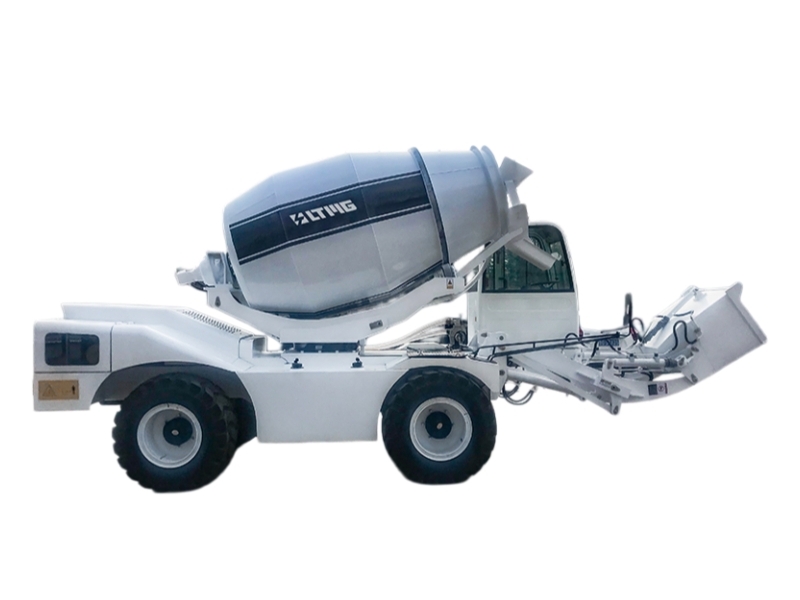
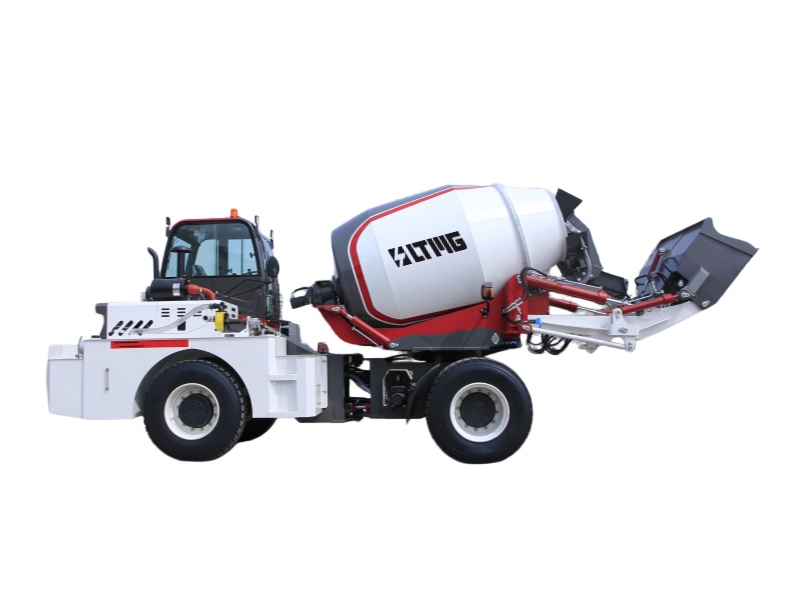
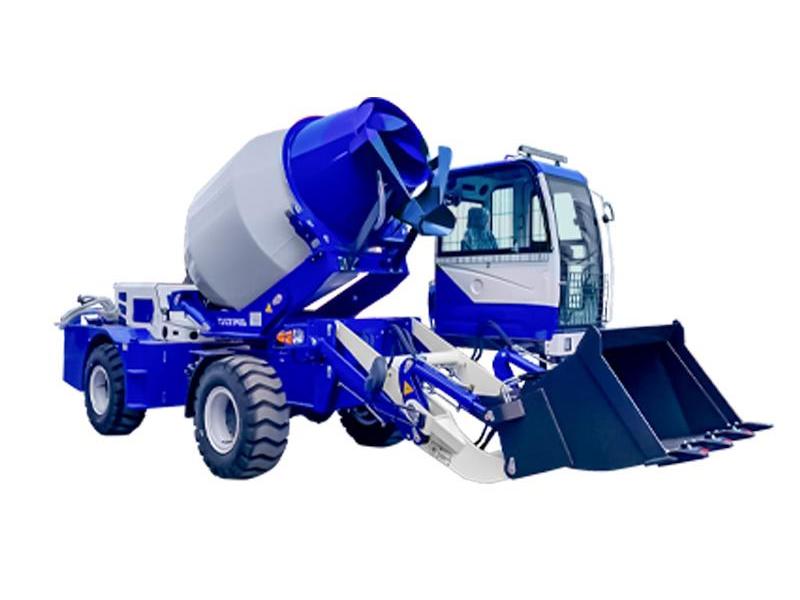
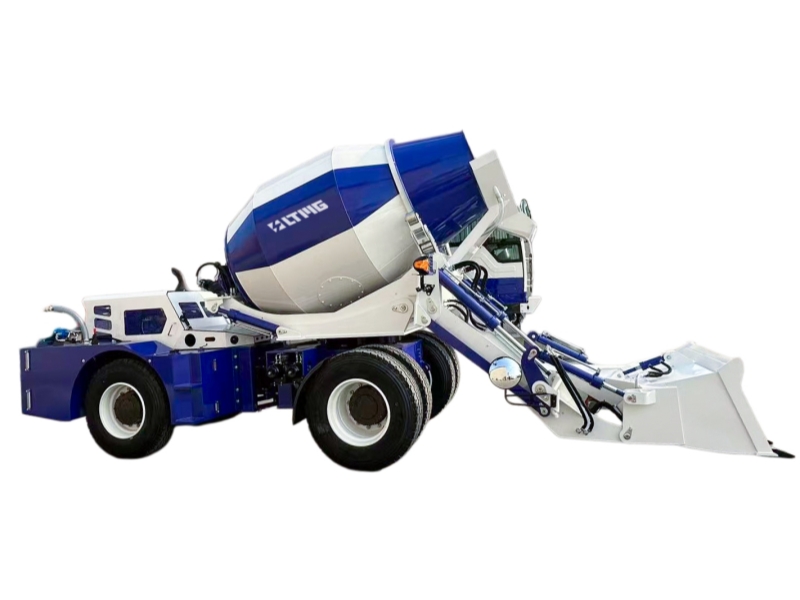
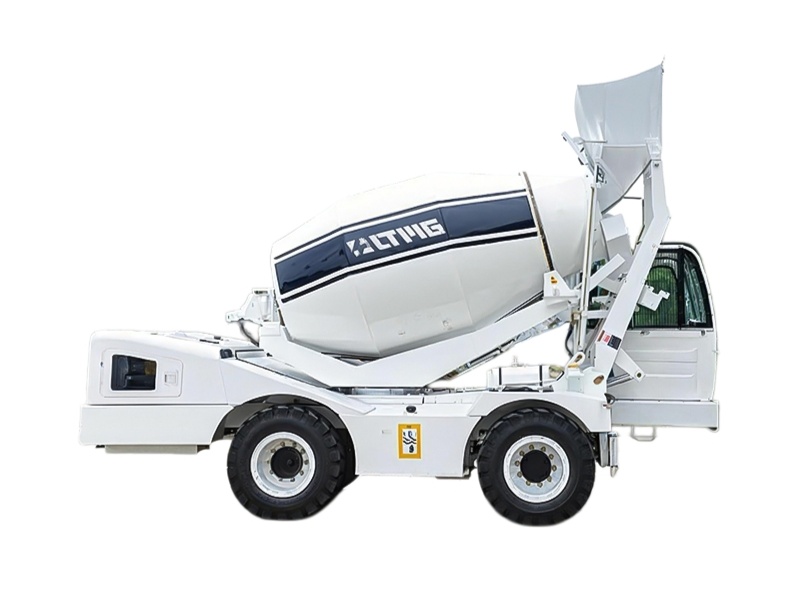
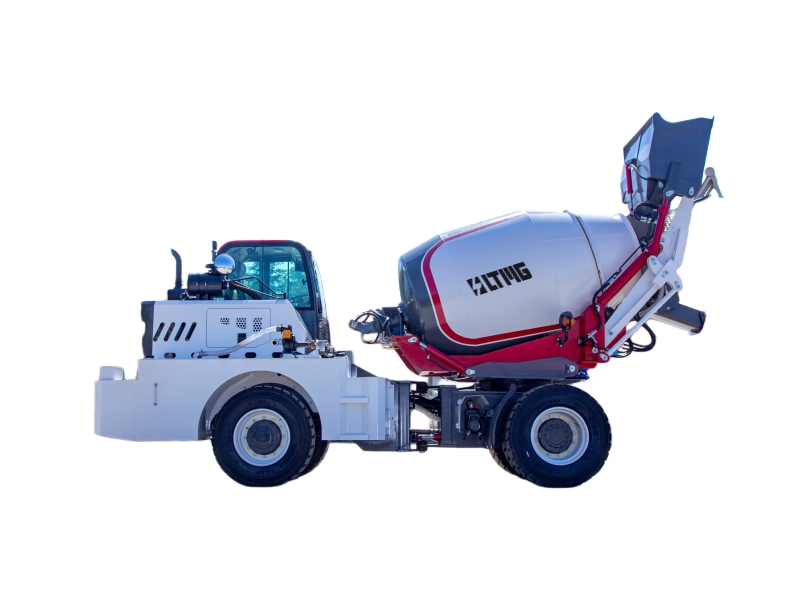
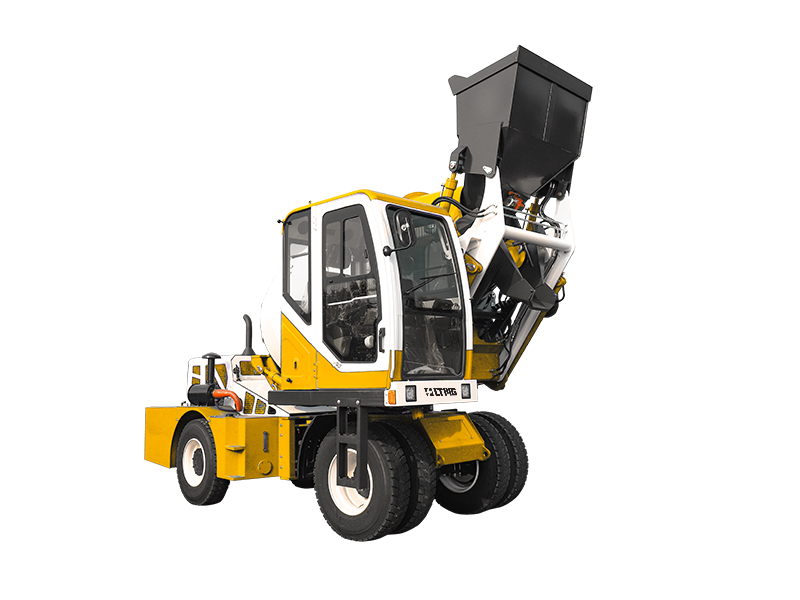
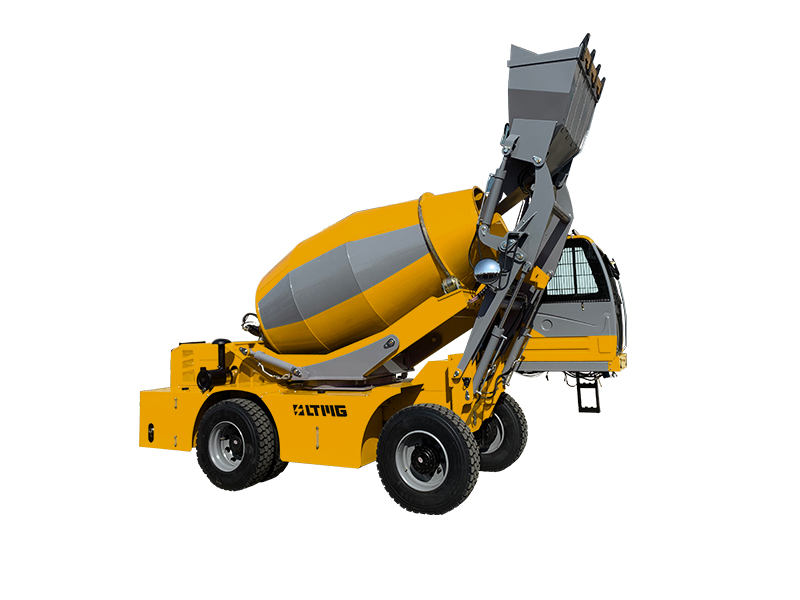
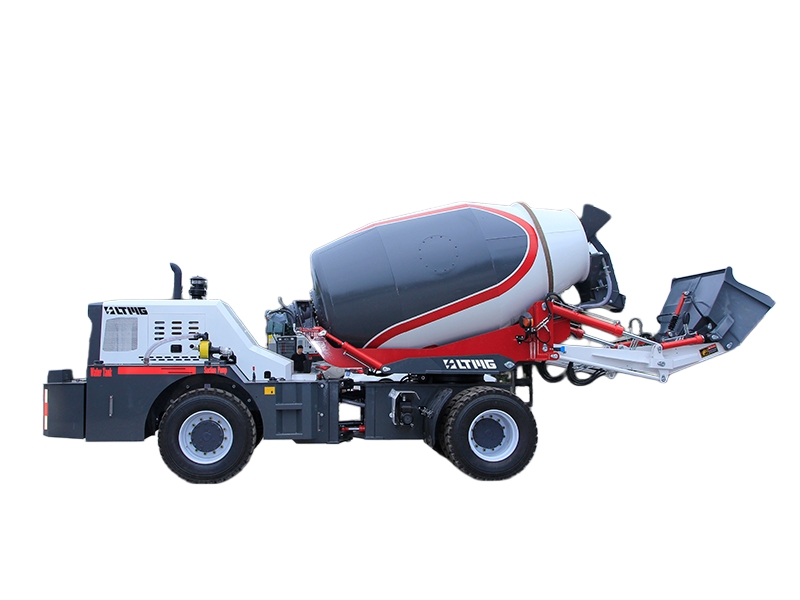
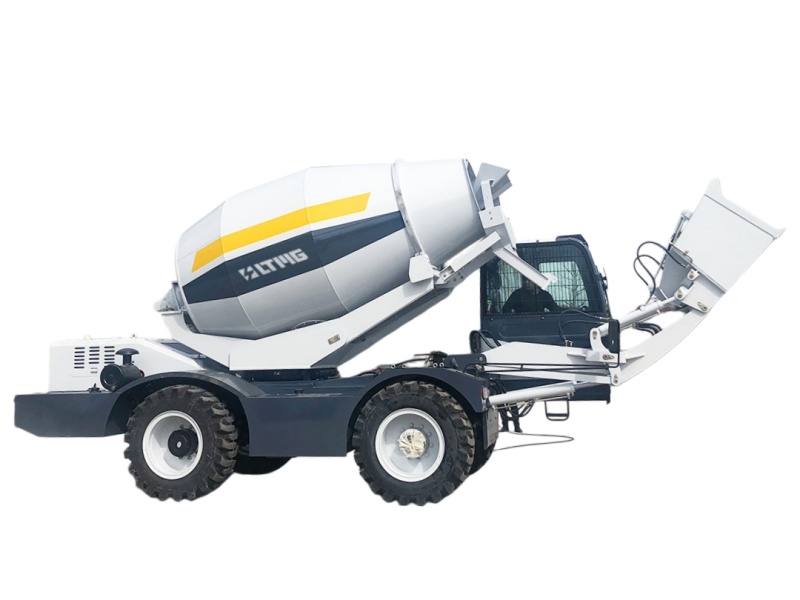
Самозагружающийся бетоносмеситель объемом 1,5 м³ сочетает в себе удобство управления, интеллектуальную приборную панель и эффективное производство бетона на строительной площадке. Передняя и задняя камеры, система подачи воды по таймеру, разгрузочный вибратор и встроенный бункер для цемента повышают безопасность, обеспечивают однородность смеси и эффективность выгрузки, что делает его идеальным для сельского строительства, дорожных работ и небольших проектов.
Модель :
LTM15Масса :
4500 KGДлина, ширина, высота :
6340×1857×2920 mm


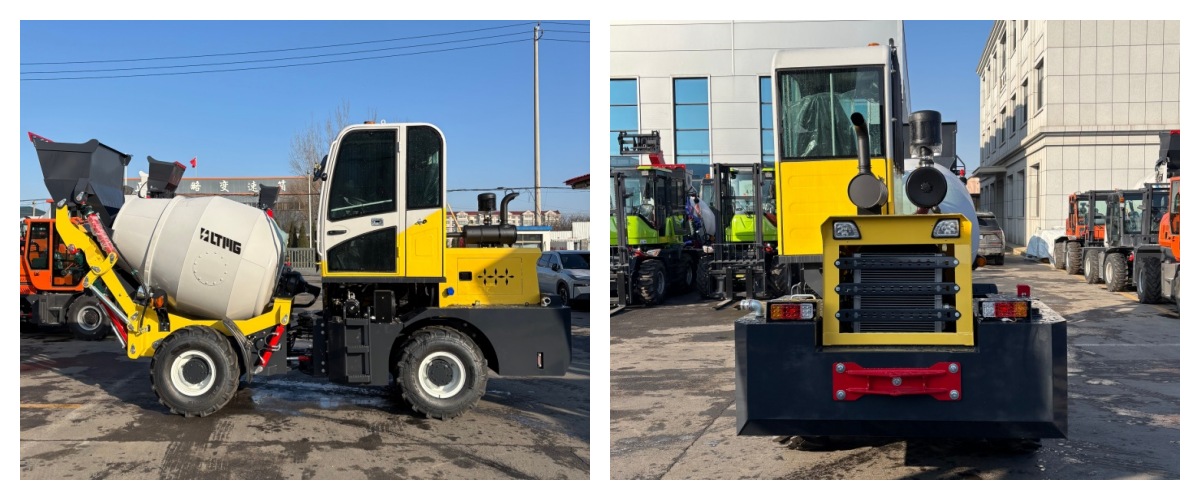
Характеристики самозагружающегося бетоносмесителя
1. Повышенный комфорт и обзорность во время вождения: Оснащенный передней и задней камерами, дисплеем и роскошным сиденьем с подвеской, бетоносмеситель обеспечивает улучшенную обзорность, более безопасную работу и больший комфорт во время длительных рабочих часов.
2. Интеллектуальная приборная панель и простота управления: цифровая приборная панель обеспечивает четкий контроль ключевой рабочей информации, помогая операторам понимать состояние машины и выполнять повседневные операции более удобно и эффективно.
3. Система подачи воды по расписанию для равномерного смешивания: Система подачи воды по расписанию обеспечивает контролируемое и равномерное добавление воды во время замешивания бетона, помогая поддерживать стабильное качество бетона и упрощая процесс смешивания.
4. Эффективная выгрузка и уменьшение количества отходов: Оснащенный разгрузочным вибратором, бетоносмеситель ускоряет выгрузку бетона и помогает уменьшить количество материала, остающегося внутри барабана, повышая эффективность выгрузки и минимизируя потери материала.
5. Встроенный цементный бункер для удобной подачи: цементный бункер представляет собой практичное решение для загрузки цемента во время производства бетона на строительной площадке, сокращая ручную работу и повышая общую эффективность операций по загрузке и смешиванию.
Спецификация Самозагружающийся бетоносмеситель
| Параметр | Единица | ЛТМ15 |
| Габаритные размеры (Д × Ш × В) | mm | 6340×1857×2920 |
| Вместимость резервуара | m³ | 1.93 |
| Разгрузка резервуара | m³ | 1.5 |
| Снаряженная масса / Масса без нагрузки | kg | 4500 |
| Объем резервуара для воды | L | 425 |
| Дорожный просвет | mm | 292 |
| Объем бака гидравлического масла | L | 72 |
| Объем топливного бака дизельного топлива | L | 72 |
| Колесная база | mm | 2440 |
| Минимальный радиус поворота (внутри R) | mm | 3900 |
| Резервуар / Энергетическая система | / | Стандарт |
| Тип двигателя | / | Юннай 490 с турбонаддувом |
| Номинальная мощность | kW | 58 |
| Модель гидротрансформатора | / | JBJ-278, раздельный гидротрансформатор |
| Ведущий мост / Приводная система | / | JBJ-8T, постоянный полный привод |
| Размер шин | / | 23.5/70-16 |
| Количество шин | / | 4 |
| Операционная система | / | Стандарт |
| Расположение кабины | / | Задний |
| Кондиционер | / | Необязательный |
| Максимальная скорость | км/ч | ≤35 |
| Поворотная опора | / | - |
| Мотор | / | A2FM63, двигатель плунжера |
| Тормозная система | / | Пневматический тормоз, двухконтурный, независимый. |
| Скорость мешалки | об/мин | 20 |
| Вместимость ковша | m³ | 0,55 |
| Базовая конфигурация | / | Вибратор для разрядки; передняя и задняя камеры; дисплей; роскошное амортизирующее сиденье; цифровая приборная панель; автоматическое наполнение водой по таймеру. |
| Дополнительная конфигурация | / | Электронные весы; система отопления и охлаждения; цементный желоб. |
В связи с технологическими инновациями конфигурация и параметры нашей продукции будут постоянно изменяться без предварительного уведомления;
В случае возникновения каких-либо сомнений, приоритет будет иметь конкретное подтверждение наших международных торговых продаж;
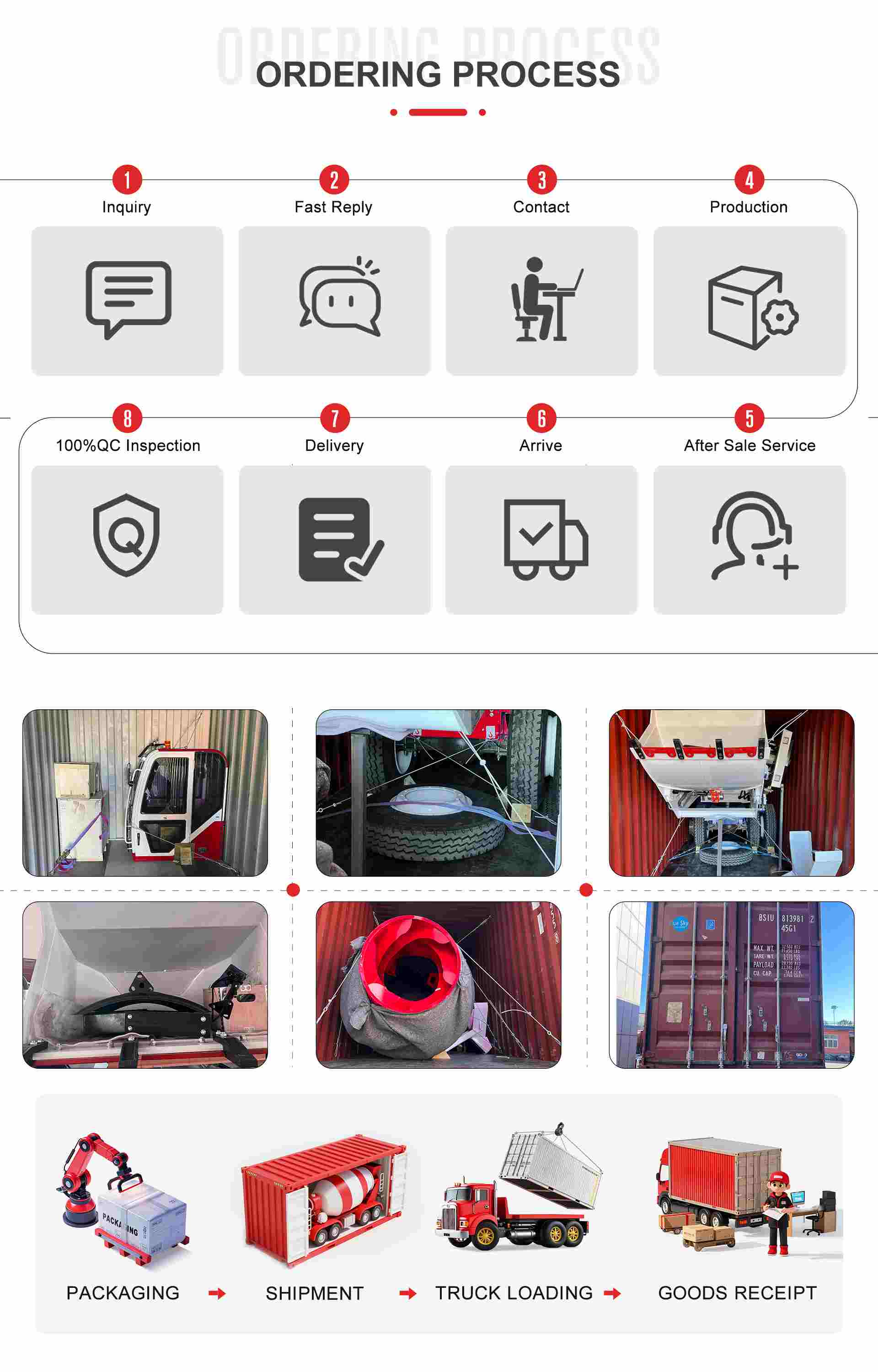
Заказ и процесс производства бетоносмесителя
Часто задаваемые вопросы
А: Производительность самозагружающегося бетоносмесителя в час нельзя рассчитать простым умножением вместимости его барабана на фиксированное количество партий. Фактическая производительность зависит от полного рабочего цикла, включая загрузку материала, добавление воды, смешивание, перемещение и выгрузку бетона. Если песок, заполнители и цемент хранятся рядом с машиной, расстояние транспортировки невелико, а оператор опытен, бетоносмеситель может достичь более высокой производительности. Если материалы расположены в разных местах, место заливки находится далеко или дороги на строительной площадке труднопроходимы, производительность в час снизится. Поэтому при оценке производительности самозагружающегося бетоносмесителя следует учитывать такие факторы, как вместимость барабана, расположение материалов, расстояние перемещения, расстояние выгрузки и общая организация строительной площадки, а не полагаться только на теоретическую производительность.
В: Может ли самозагружающийся бетоносмеситель производить бетон с постоянным соотношением компонентов смеси?
А: Да, при условии, что самозагружающийся бетоносмеситель оснащен подходящей системой взвешивания и эксплуатируется в соответствии со стандартизированными процедурами. Песок и заполнители обычно загружаются с помощью переднего ковша, а вода подается через бортовой резервуар и систему дозирования. В зависимости от проекта, цемент может добавляться в мешках, биг-бэгах или других подходящих формах. Для применений, требующих точных пропорций бетонной смеси, рекомендуется электронная система взвешивания и функция дозирования воды с регулярной калибровкой для поддержания точности. Если проект требует строгого соблюдения лабораторно рассчитанного соотношения компонентов смеси, количество материалов не следует оценивать просто путем подсчета загрузки ковша.
В: Может ли самозагружающийся бетоносмеситель работать в гористых, грязных или грунтовых условиях?
А: Да, некоторые модели самозагружающихся бетоносмесителей предназначены для работы в сложных условиях и могут быть оснащены полным приводом, усиленными инженерными шинами и высоким дорожным просветом. Такая конфигурация делает их подходящими для горных строительных площадок, сельских дорог, горнодобывающих районов и грунтовых дорог. Однако проходимость бетоносмесителя по бездорожью варьируется в зависимости от модели и не означает, что он может безопасно работать на любой грязной или крутой дороге. При выборе самозагружающегося бетоносмесителя для работы в сложных условиях следует учитывать такие факторы, как максимальный уклон, ширина дороги, состояние грунта и сезонные осадки. Для более сложных задач может быть рекомендована конфигурация с полным приводом и шинами, подходящими для данного типа местности.
В: Что следует учитывать при эксплуатации самозагружающегося бетоносмесителя на крутых склонах?
А: При работе самозагружающегося бетоносмесителя на склоне бетон внутри смесительного барабана создает динамическую нагрузку и может изменить центр тяжести машины. Поэтому характеристики проходимости пустой машины не следует использовать в качестве единственного критерия для определения ее безопасности при полной нагрузке. На крутых склонах операторам следует избегать движения боком по склону, резких поворотов или движения вниз по склону на чрезмерной скорости, при этом нагрузка должна оставаться в пределах рекомендуемого диапазона. Для горных строительных проектов целесообразно заранее указать ожидаемые максимальные продольные и поперечные уклоны, чтобы можно было выбрать подходящий самозагружающийся бетоносмеситель, исходя из его эксплуатационной массы, трансмиссии, тормозной системы, конфигурации шин и общей устойчивости.
ТЕГИ :
Тел. : +86 195 5920 7570
Электронная почта : market@ltmg.com
WhatsApp : +86 195 5920 7570
Добавлять : LTMG Group, Electronics City(Xiamen) International Innovation Center, No.23, Duiying Road, Jimei District, Xiamen, China
Получите последнюю информацию о продукте и информацию о предложениях