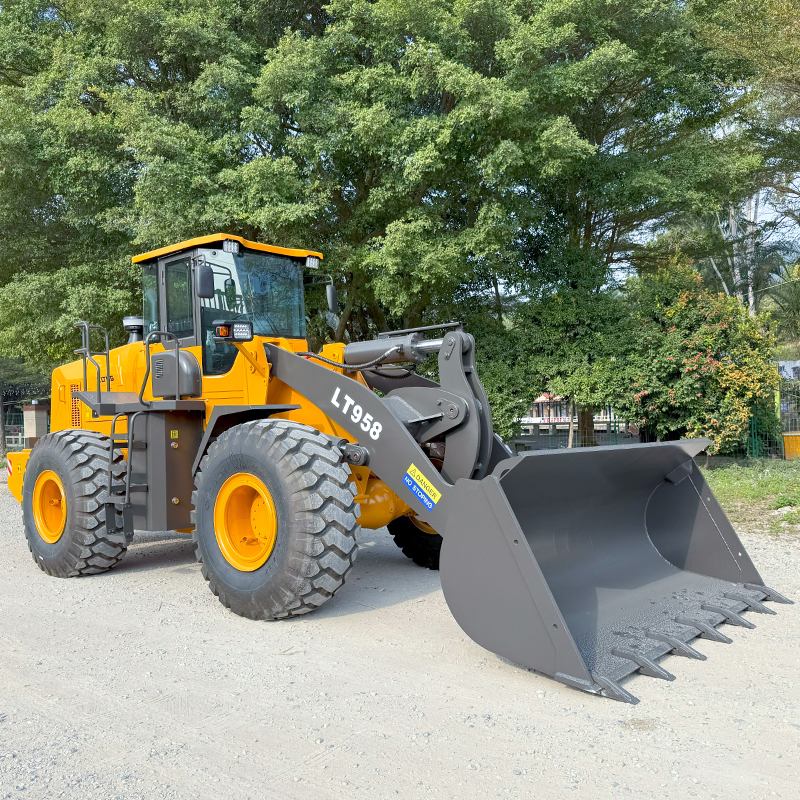
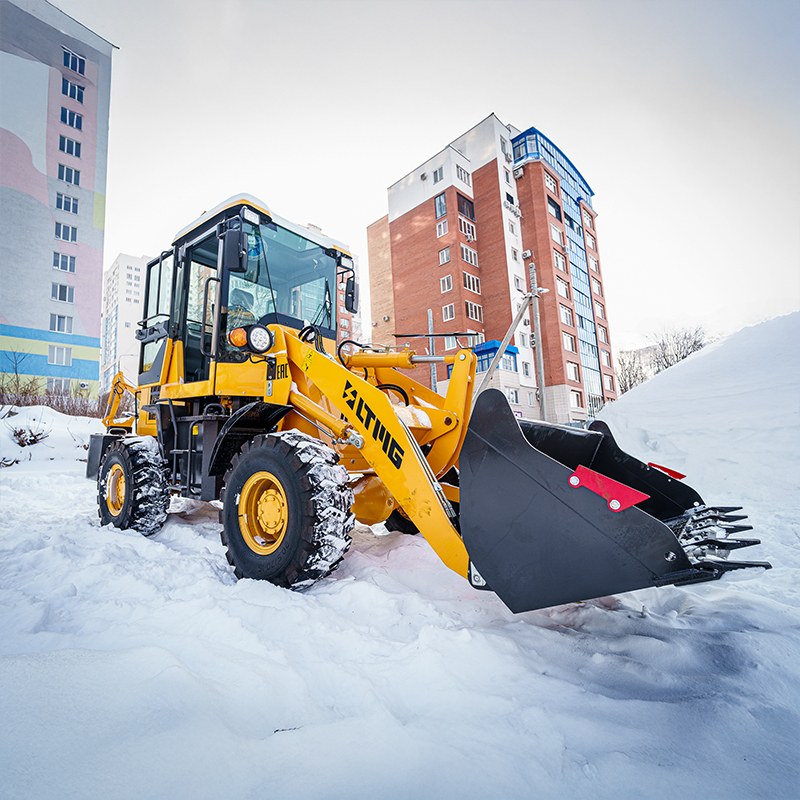
Введение: Почему важен правильный выбор колесного погрузчика
В отрасли тяжелого машиностроения колесный погрузчик Это краеугольный камень погрузочно-разгрузочных работ. Правильный выбор оборудования может повысить эффективность работы более чем на 30%. И наоборот, неправильный выбор часто приводит к простоям оборудования, неоправданным затратам на закупку и задержкам проектов.
Данное руководство предлагает всесторонний анализ моделей колесных погрузчиков, их грузоподъемности и различных сценариев применения. Независимо от того, являетесь ли вы руководителем строительной площадки, горнодобывающим оператором или специалистом по закупкам тяжелой техники, эта методика поможет вам максимизировать отдачу от инвестиций и производительность.
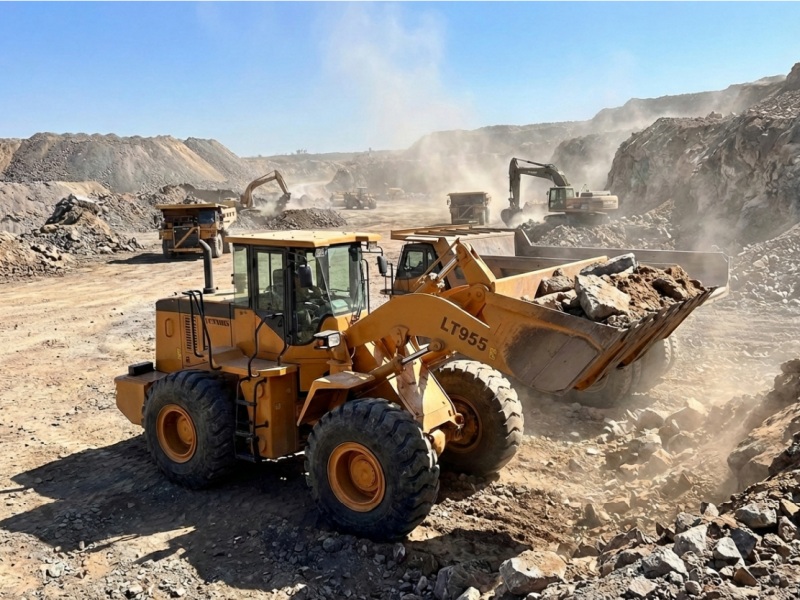
Основные знания: понимание технических характеристик колесного погрузчика.
2.1 Определение и основные функции
Колесный погрузчик — это универсальная землеройная машина на колесах, предназначенная для захвата, транспортировки и выгрузки материалов с помощью ковша, установленного спереди.
Помимо базовой погрузки, к основным производственным функциям компании относятся:
2.2 Классификация: Сопоставление моделей с тоннажем
Понимание системы классификации является основой профессиональной закупки оборудования.
С точки зрения конструктивного проектирования
Категория машин | Диапазон тоннажа | Структурные особенности | Основные преимущества | Типичные области применения |
Стандартный погрузчик | 3-8 тонн | Традиционная шарнирная рама | Сбалансированный и универсальный | Генеральное строительство и земляные работы |
Компактный погрузчик | 1-3 тонны | Оптимизировано для работы в ограниченных пространствах. | Малый радиус поворота; высокая мобильность. | Городские коммунальные услуги и работы внутри помещений |
Тяжелый погрузчик | >10 тонн | Усиленный несущий каркас | Высокая грузоподъемность; исключительная прочность | Крупномасштабная добыча полезных ископаемых и разработка карьеров |
Источник питания
Тип мощности | Покрытие тоннажа | Основные преимущества | Типичные области применения |
Дизельный двигатель | Полный диапазон | Высокий крутящий момент; удобная заправка | Удаленные объекты и задачи высокой сложности |
Электромобиль (EV) | 1-5 тонн | Нулевой уровень выбросов; низкий уровень шума | Крытые складские помещения и экологические проекты |
Гибридный | >5 тонн | Оптимизированная топливная эффективность | Высокочастотные циклы нагрузки |
3. Основные параметры выбора: соответствие оборудования сценариям.
3.1 Отраслевые требования
Выбор фронтального погрузчика требует глубокого понимания условий эксплуатации. Ниже приведена таблица рекомендуемой грузоподъемности для различных отраслей:
Отрасль / Сценарий | Рекомендуемый тоннаж | Ключевые факторы отбора |
Жилищное строительство | 3 тонны | Компактный кузов, малый радиус поворота |
Инфраструктурные проекты | 5 тонн | Высокая скорость цикла, максимальная вместимость ковша |
Горнодобывающая промышленность (открытая разработка) | 5–8+ тонн | Прочная рама, высокое усилие отрыва |
Добыча полезных ископаемых | ≥6 тонн | Ковши, специально разработанные для работы в скальных породах, усиленные шины. |
Сельское хозяйство и животноводство | 2–3 тонны | Коррозионная стойкость, универсальность крепления. |
Логистика и складирование | 2–4 тонны | Маневренность, электрические опции для использования внутри помещений. |
Дорожное строительство | 5–6 тонн | Большое ведро, непрерывная работа высокой интенсивности |
3.2 Стратегические аспекты закупок
Помимо тоннажа, профессиональным покупателям следует оценить следующие пять параметров, чтобы обеспечить долгосрочную ценность:
4. Распространенные ошибки при закупке колесных погрузчиков
1: Избыточная детализация (миф «Чем больше, тем лучше»): Эксплуатация тяжелой техники на 50% мощности приводит к высокому расходу топлива и излишнему износу. Стремитесь к оптимальному уровню использования в 70–90%.
2: Игнорирование факторов окружающей среды: В условиях высокой концентрации соли, высокой влажности или запыленности требуются специальные покрытия и системы фильтрации. Пренебрежение этими «экологически чистыми» вариантами сократит срок службы оборудования.
3: Недооценка послепродажной поддержки: Одна из распространенных ошибок — это предпочтение самой низкой цены колесного погрузчика долговечности машины. Часто самый дешевый вариант предлагается непроверенным поставщиком колесных погрузчиков, не имеющим местной сервисной сети, что приводит к высоким «скрытым затратам» в случае поломки машины на месте.
5. Заключение: Логика научного отбора
Успешная закупка колесного погрузчика – это баланс между техническими возможностями и экономической эффективностью.
Для принятия наилучшего решения необходимо объединить эти три основных принципа:
Для сложных проектов мы рекомендуем проконсультироваться со специалистом по тяжелой технике для проведения моделирования с учетом специфики объекта. Выбор правильного оборудования — это не просто покупка; это первый шаг к прибыльности проекта, и выбор надежного поставщика колесных погрузчиков так же важен, как и технические характеристики машины.
Являясь ведущим поставщиком колесных погрузчиков с многолетним опытом работы в отрасли, мы предлагаем не просто высококачественное оборудование — мы обеспечиваем эффективность.
Не уверены, какой тоннаж подойдет для вашей конкретной строительной площадки? Мы готовы предоставить бесплатный анализ загрузки площадки и подробный прайс-лист на колесные погрузчики, составленный с учетом требований вашего проекта.

Тел. : +86 195 5920 7570
Электронная почта : market@ltmg.com
WhatsApp : +86 195 5920 7570
Добавлять : LTMG Group, Electronics City(Xiamen) International Innovation Center, No.23, Duiying Road, Jimei District, Xiamen, China


Получите последнюю информацию о продукте и информацию о предложениях