При сносе зданий часто приходится разрушать и демонтировать бетонные стены, железобетонные конструкции и кирпичные постройки. Рабочая среда сложная, а пространство зачастую ограничено. Выбор подходящей экскаваторной машины имеет решающее значение. Правильная модель не только эффективно выполняет задачи по сносу, но и обеспечивает стабильность и безопасность работы, помогая командам оптимизировать сроки строительства и затраты для бесперебойного завершения проекта.
Основываясь на профессиональном опыте LTMG в области строительной техники, мы предлагаем анализ выбора экскаватора для различных типов площадок под снос зданий.
Характеристики площадки для сноса
Места проведения сноса зданий различаются в зависимости от строительной среды и условий работы. Для каждого типа площадки существуют свои требования к типам экскаваторов.
Для таких площадок предпочтительны гусеничные экскаваторы малого или среднего размера благодаря их универсальности в ограниченном пространстве.
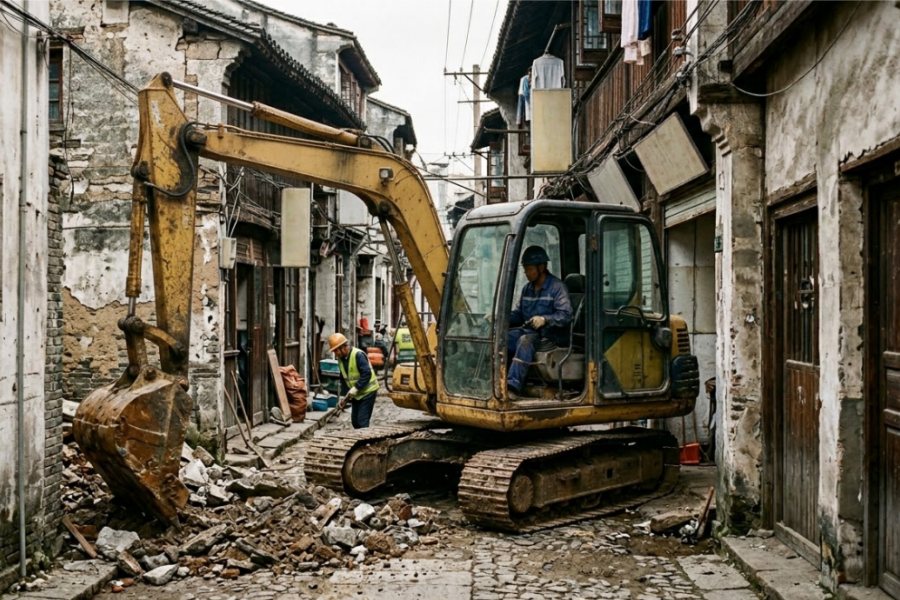
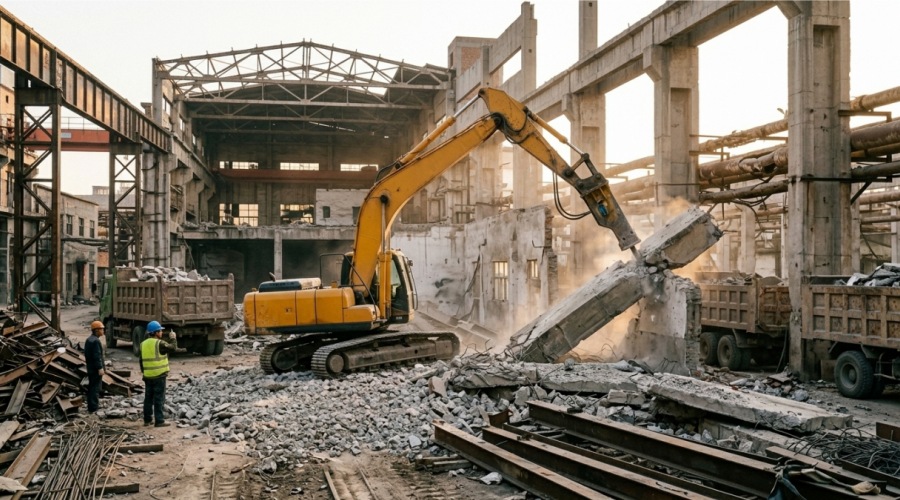
Выбирайте мощные и устойчивые экскаваторы, способные выполнять тяжелые, непрерывные работы.
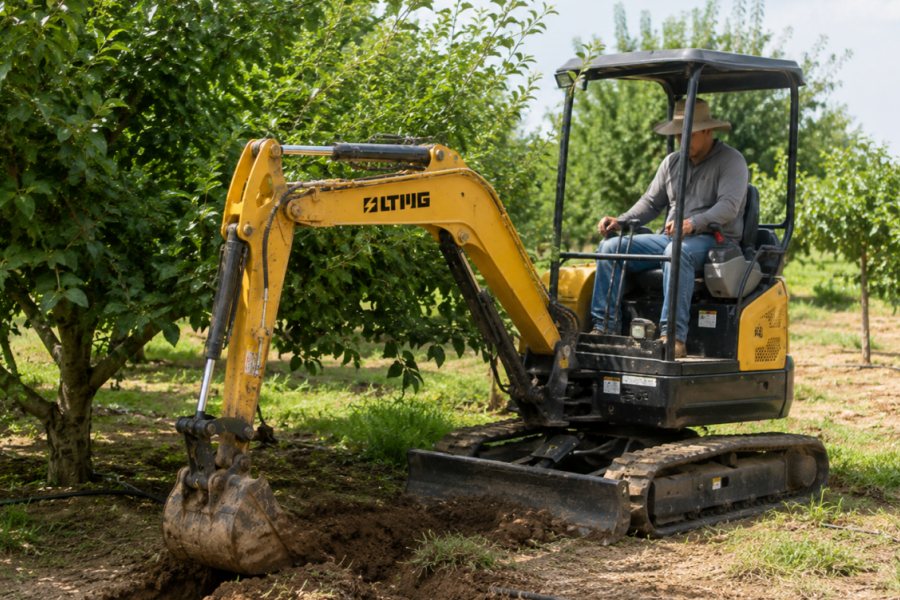
Для повышения точности и маневренности предпочтительны навесные устройства для компактных экскаваторов малой грузоподъемности.
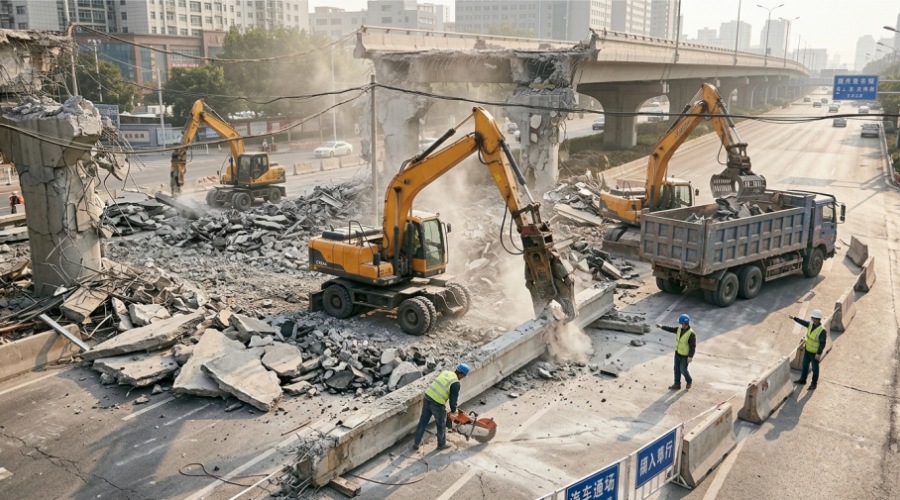
Колесные экскаваторы идеально подходят для этой задачи, обеспечивая эффективную мобильность между несколькими рабочими точками.
Выбор экскаватора для сноса зданий (гусеничный / колесный / тоннажный)
Различия в пространстве, грунте и интенсивности работ напрямую определяют тип и тоннаж экскаватора. Исходя из этих факторов, ниже приведено подробное руководство по выбору подходящей модели.
Тип экскаватора и адаптация к типу грунта
Во-первых, вы можете определить тип передвижения экскаватора, исходя из ваших реальных условий работы, что является первым шагом в выборе оборудования.
Она имеет большую площадь контакта с грунтом, что обеспечивает большую устойчивость и позволяет использовать ее на грязной почве или в полях.
Гусеницы гусеничных экскаваторов обычно могут быть сконфигурированы в соответствии с эксплуатационными потребностями и в основном делятся на три типа: стальные гусеницы, резиновые гусеницы и комбинированные гусеницы, которые могут быть оснащены резиновыми накладками.
Стальные рельсы | Резиновые гусеницы | Съемные резино-стальные гусеницы |
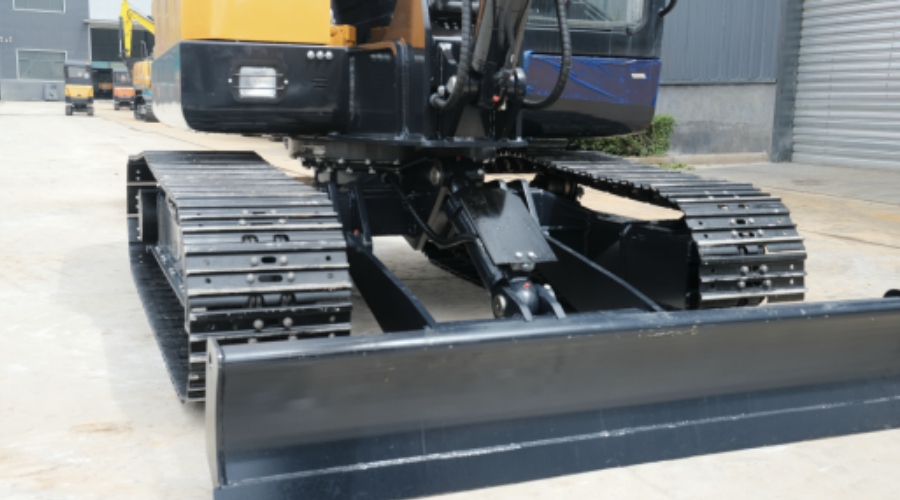 | 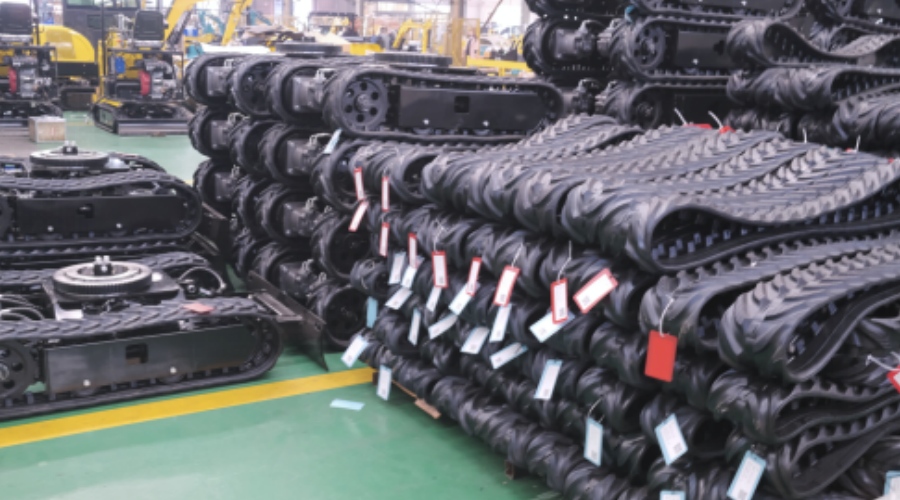 | 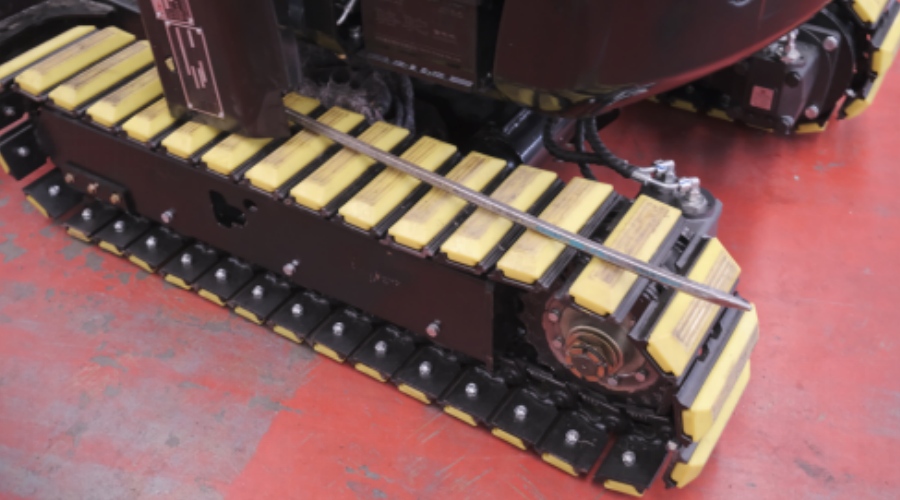 |
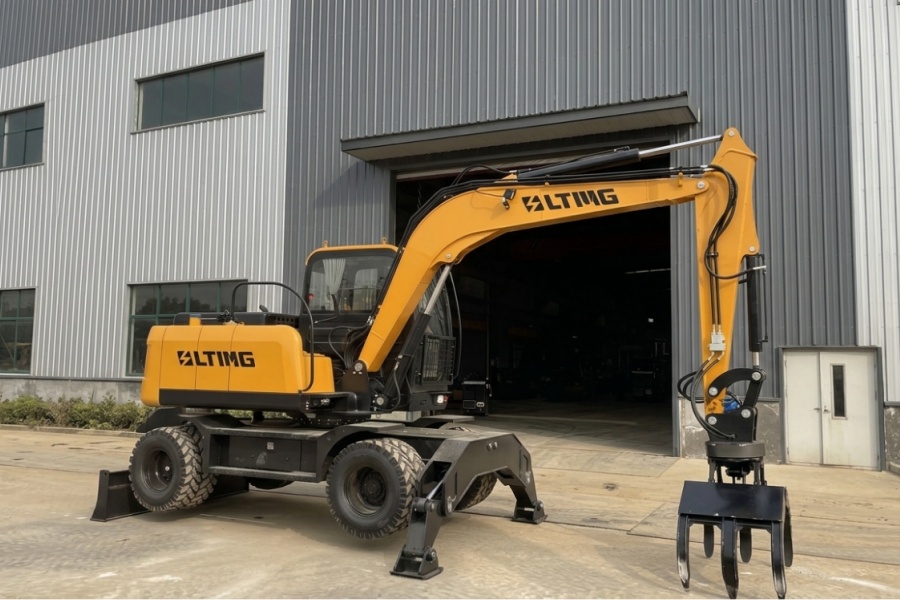
Он подходит для специализированных рабочих условий; благодаря высокой скорости передвижения он идеально подходит для сноса зданий в городской среде и работ на нескольких объектах.
Для рассредоточенных городских дорог или строительных площадок колесные экскаваторы более предпочтительны.
Типичный 8-тонный колесный экскаватор LTMG отлично подходит для сноса зданий в городских условиях и работ на нескольких площадках. Он оснащен двигателем WP2.3N номинальной мощностью 55,4 кВт, обеспечивающим стабильную работу даже в тяжелых условиях. Максимальная высота копания 6380 мм и максимальная высота разгрузки 4700 мм обеспечивают значительные преимущества при сносе зданий на большой высоте и погрузке материалов. Он может быстро прибыть на строительную площадку и эффективно выполнить поставленные задачи.
[Посмотреть подробную информацию о товаре]
Для работы с крупными бетонными блоками и на неровной местности гусеничные экскаваторы обеспечивают лучшую устойчивость.
13,5-тонный гидравлический гусеничный экскаватор
Средний гусеничный экскаватор LTMG грузоподъемностью 13,5 тонн оснащен двигателем ISUZU 4JJ1 номинальной мощностью 73 кВт. По сравнению с колесными моделями он обладает значительно большей мощностью, что делает его более подходящим для работы в твердых грунтах или выполнения тяжелых работ. Он имеет максимальное усилие вспашки ковша 91 кН и усилие вспашки стрелы 55 кН, что обеспечивает высокую производительность при земляных работах.
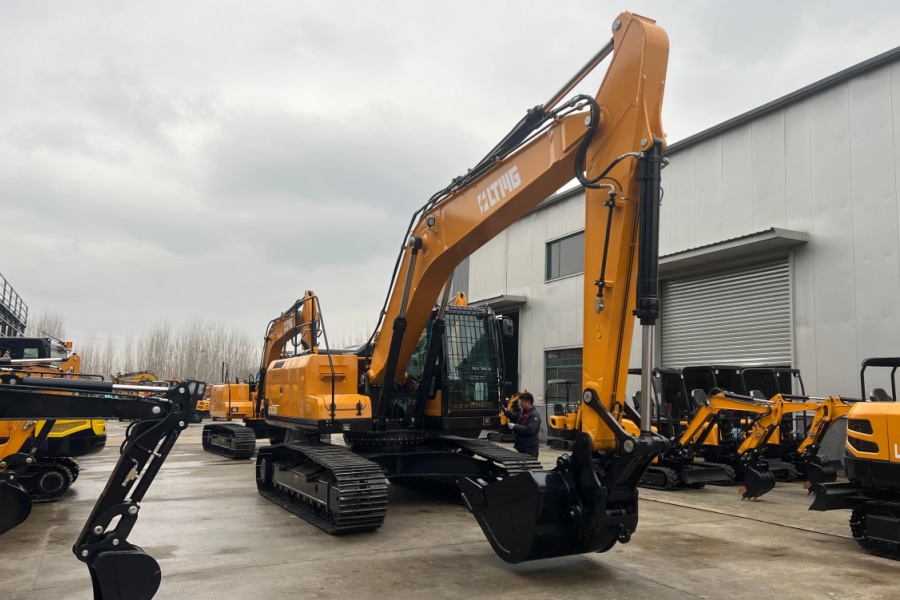
[Посмотреть подробную информацию о товаре]
Демонтаж внутри помещений / в небольших пространствах
Для небольших помещений требуются компактные модели, которые могут вращаться на месте.
Малый экскаватор LTMG грузоподъемностью 3,5 тонны имеет общую ширину всего 1755 мм, что позволяет ему легко проезжать по большинству подъездных путей к строительным площадкам. При этом он обеспечивает максимальную глубину копания 3208 мм, сочетая компактные размеры с высокой функциональностью.
3,5-тонный малый гусеничный экскаватор
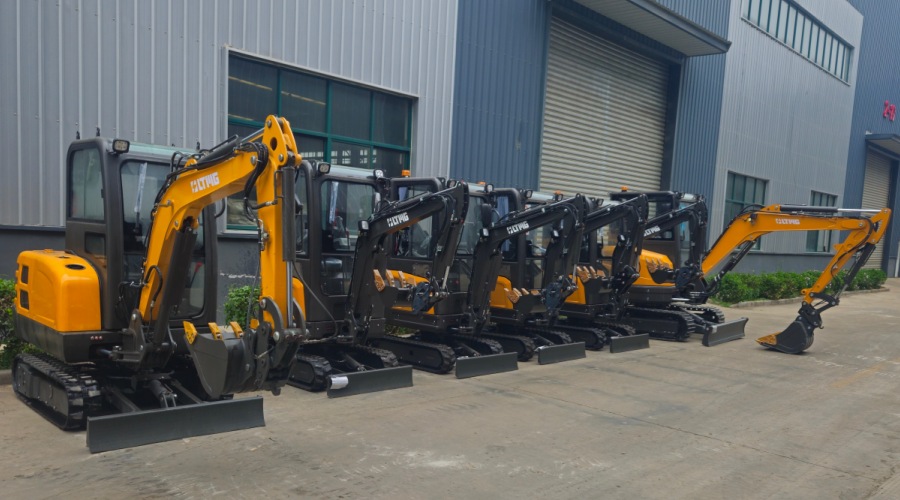
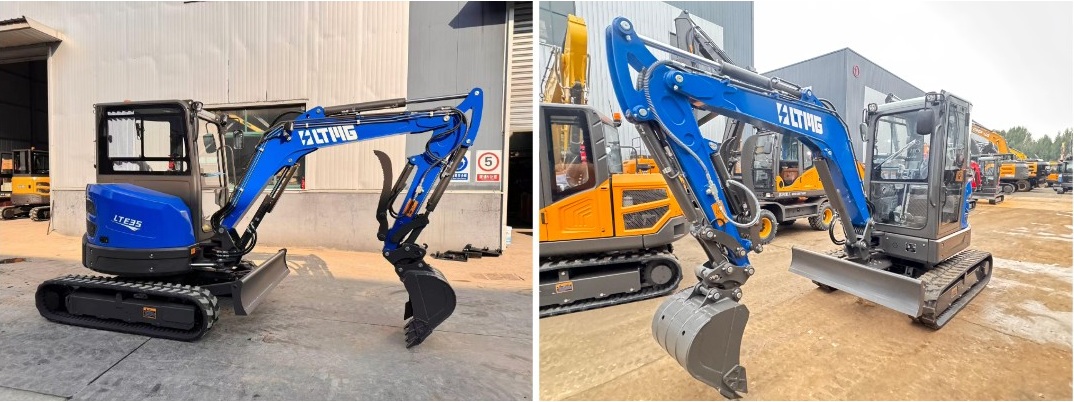
[Посмотреть подробную информацию о товаре]
Эффективность экскаватора зависит не только от модели, но и от правильного подбора навесного оборудования. Различные виды навесного оборудования, включая роторные экскаваторные системы в крупномасштабных проектах, подходят для разных задач, напрямую влияя на скорость и стоимость строительства.
Для разных задач по сносу зданий подходят разные навесные устройства, и правильный подбор может значительно повысить эффективность и безопасность:
Вращающийся грейфер для камня/лома стали
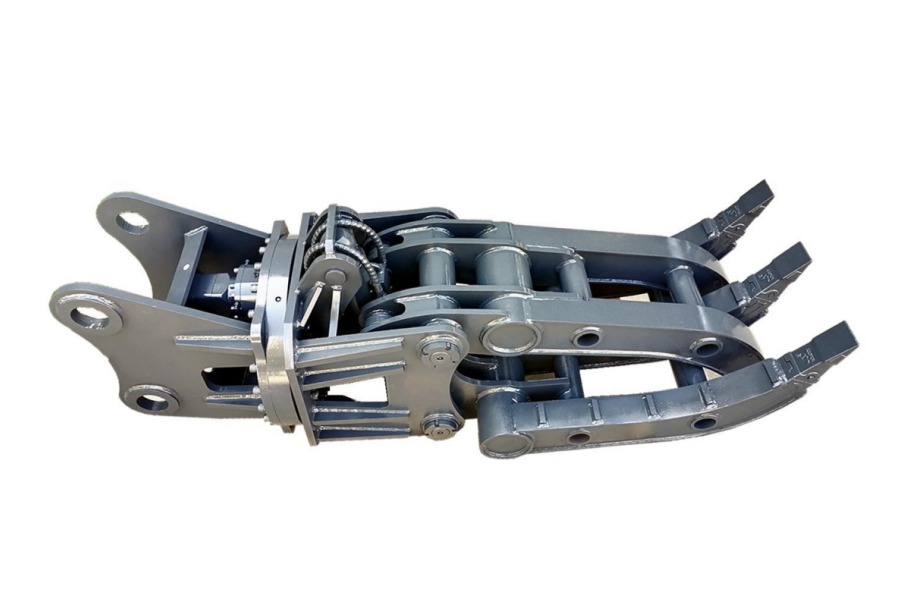
Апельсиновая кожура
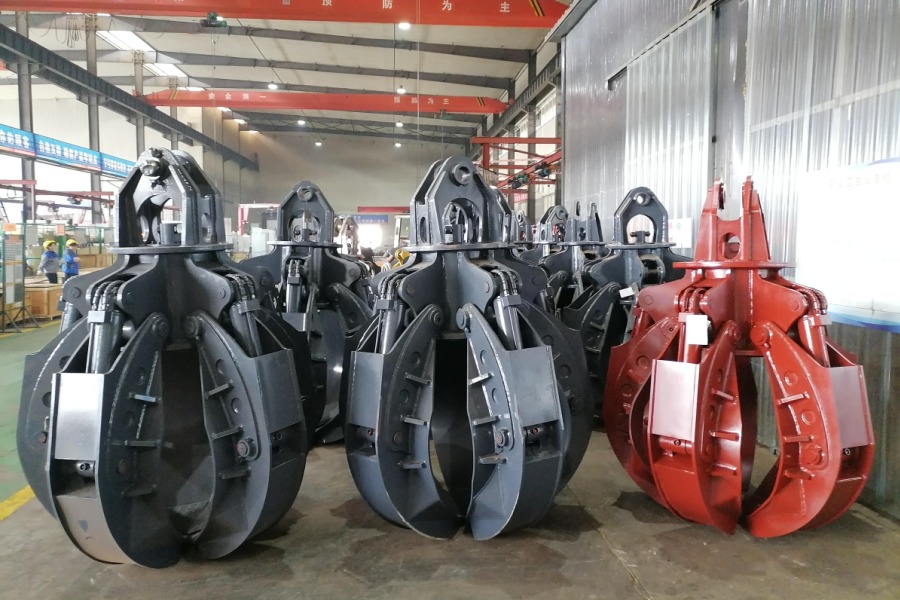
Гидравлический отбойный молоток
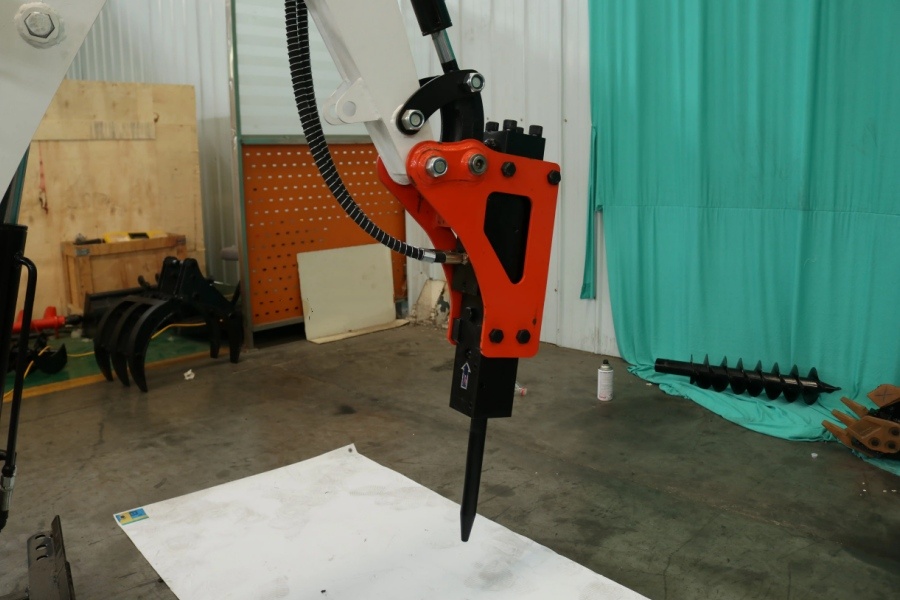
Правильный выбор навесного оборудования может ускорить работу и снизить износ техники.
При выборе экскаватора для сноса зданий:
Правильно подобранное сочетание повышает эффективность и снижает затраты. Если вы не уверены в оптимальной комбинации модели или навесного оборудования, свяжитесь с нами для получения индивидуальной консультации по выбору. Мы порекомендуем решения по оборудованию, адаптированные к вашим условиям строительства.
Часто задаваемые вопросы
Что такое гусеничный экскаватор?
A Гусеничный экскаватор использует гусеницы для передвижения, обеспечивая большую устойчивость и большую площадь контакта с грунтом. По сравнению с колесными экскаваторами он идеально подходит для сложных типов местности, таких как щебень, бетонные блоки и мягкий грунт.
Правильный выбор повышает эффективность и снижает износ оборудования и затраты.
Выбор тоннажа зависит от масштаба работ по сносу зданий, а для повышения общей эффективности используются такие приспособления, как грейферы или усиленные ковши.
Тел. : +86 195 5920 7570
Электронная почта : market@ltmg.com
WhatsApp : +86 195 5920 7570
Добавлять : LTMG Group, Electronics City(Xiamen) International Innovation Center, No.23, Duiying Road, Jimei District, Xiamen, China


Получите последнюю информацию о продукте и информацию о предложениях



